
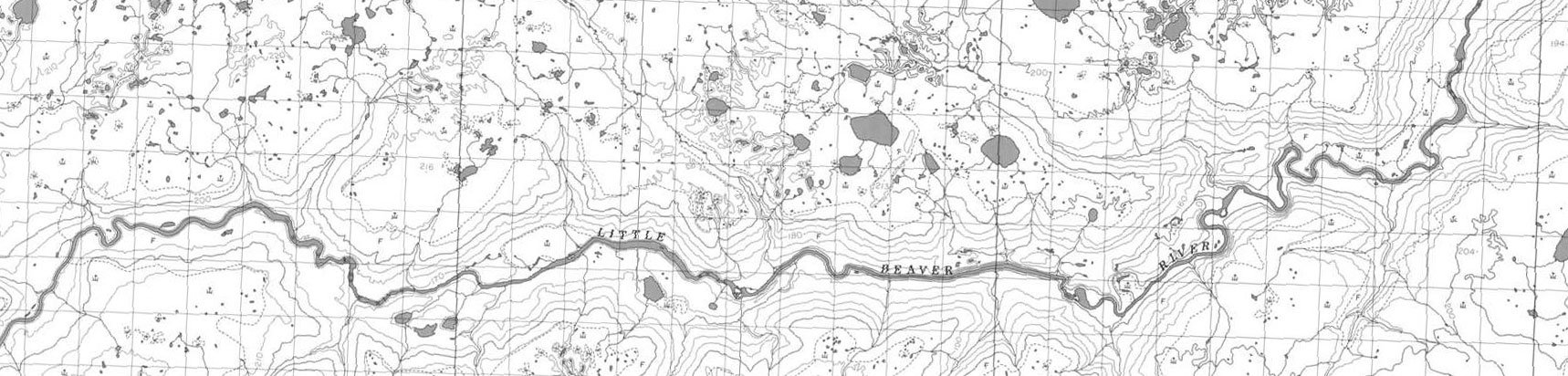
The rations we brought in were mostly staples - flour, salt, sugar, pasta, rice, canned bacon, oatmeal, freeze-dried foods, chocolate and, of course, lots of coffee and tea. Having fresh protein was not only a luxury, it was vital to our diet. Most of our fresh meat consisted of small game (snowshoe hares and ptarmigan) as well as fish however occasional sightings of moose got us thinking of more sustainable meals. We weren't hunting for the thrill of the chase or for a trophy on the wall, We took the responsibility of killing any game seriously and had nothing but respect for the gifts the land provided.
The Hunt
-
![]()
A tremendous gift
Shooting a moose was a day of celebration. This was not about trophy hunting or killing for the thrill of the hunt, this was a tremendous gift that would provide us with fresh protein through the long winter.
-
![]()
The hard work begins
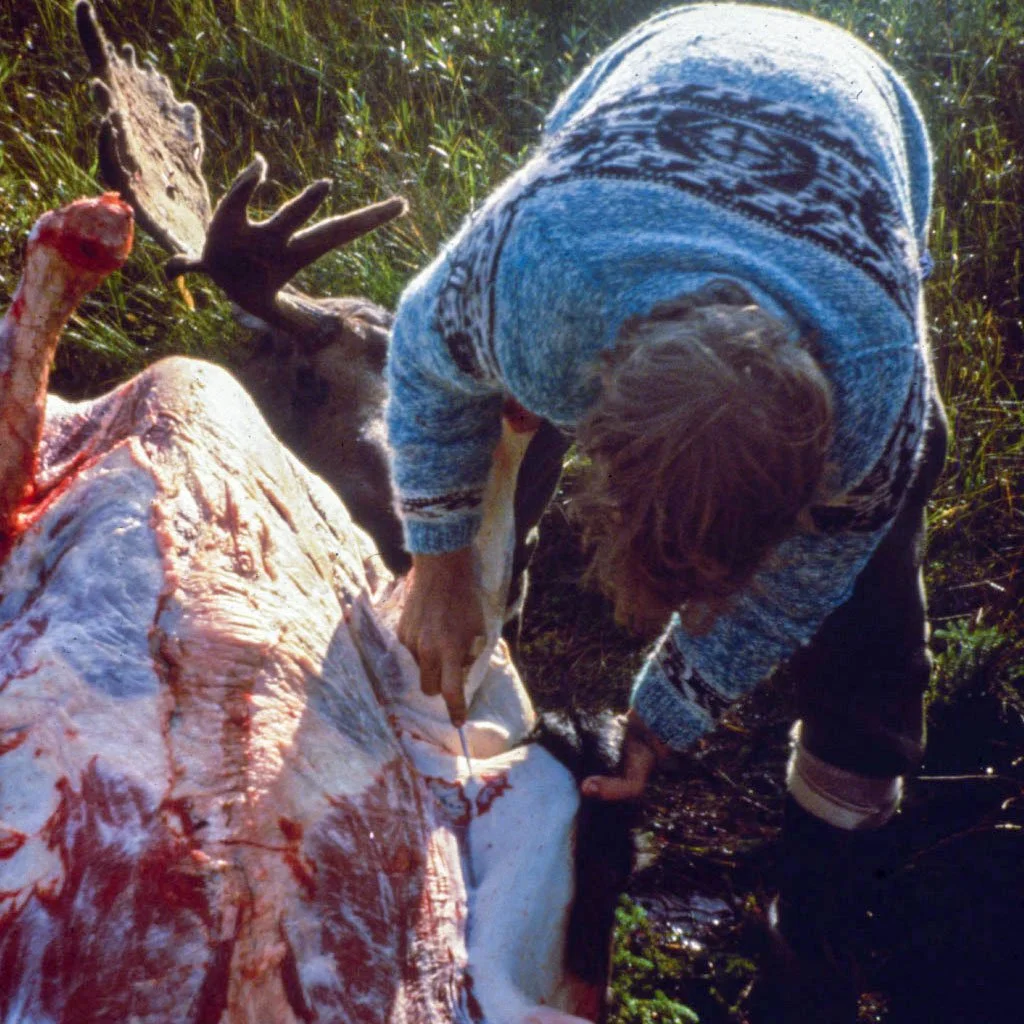
Skinning, quartering and butchering was a massive undertaking. Luckily, the moose fell on the bank of the river just upstream from the cabin allowing us to transport the meat with relative ease.
-
![]()
The hard work continues
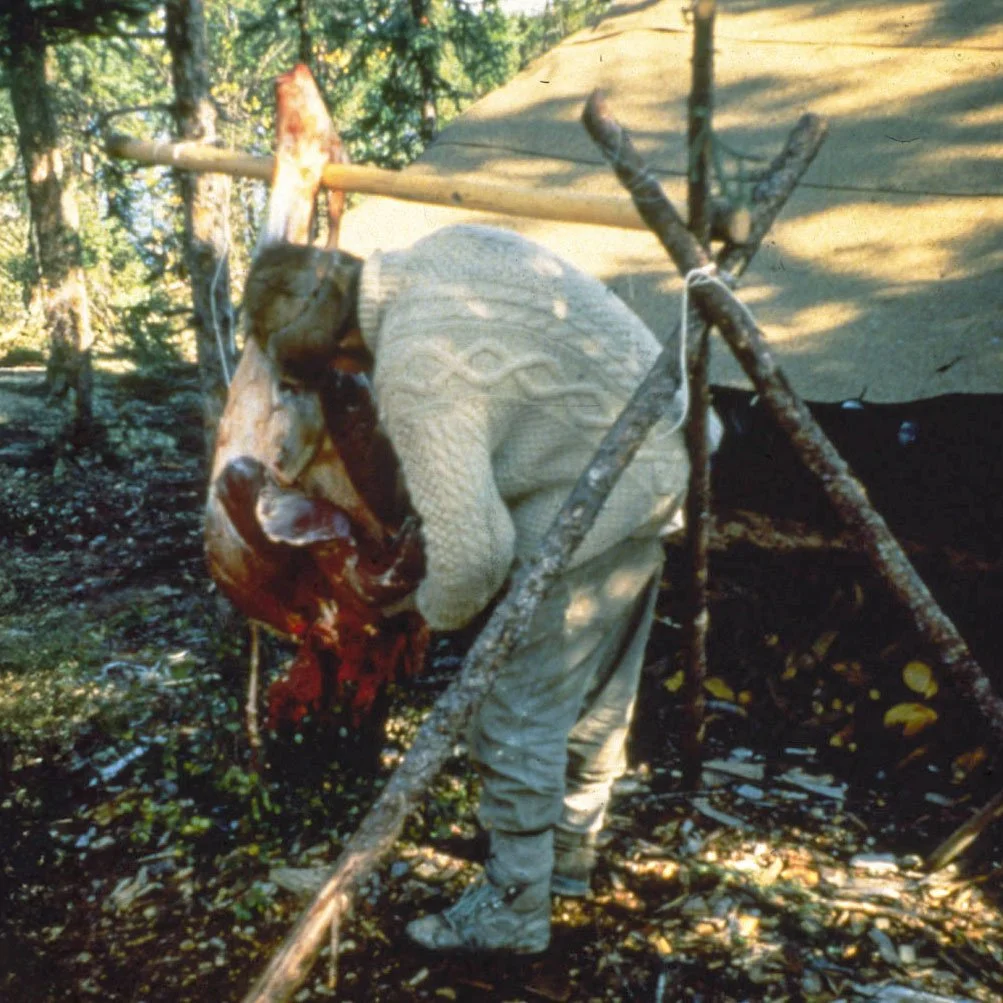
Butchering one of the massive hind quarters.
-
![]()
The moose hide
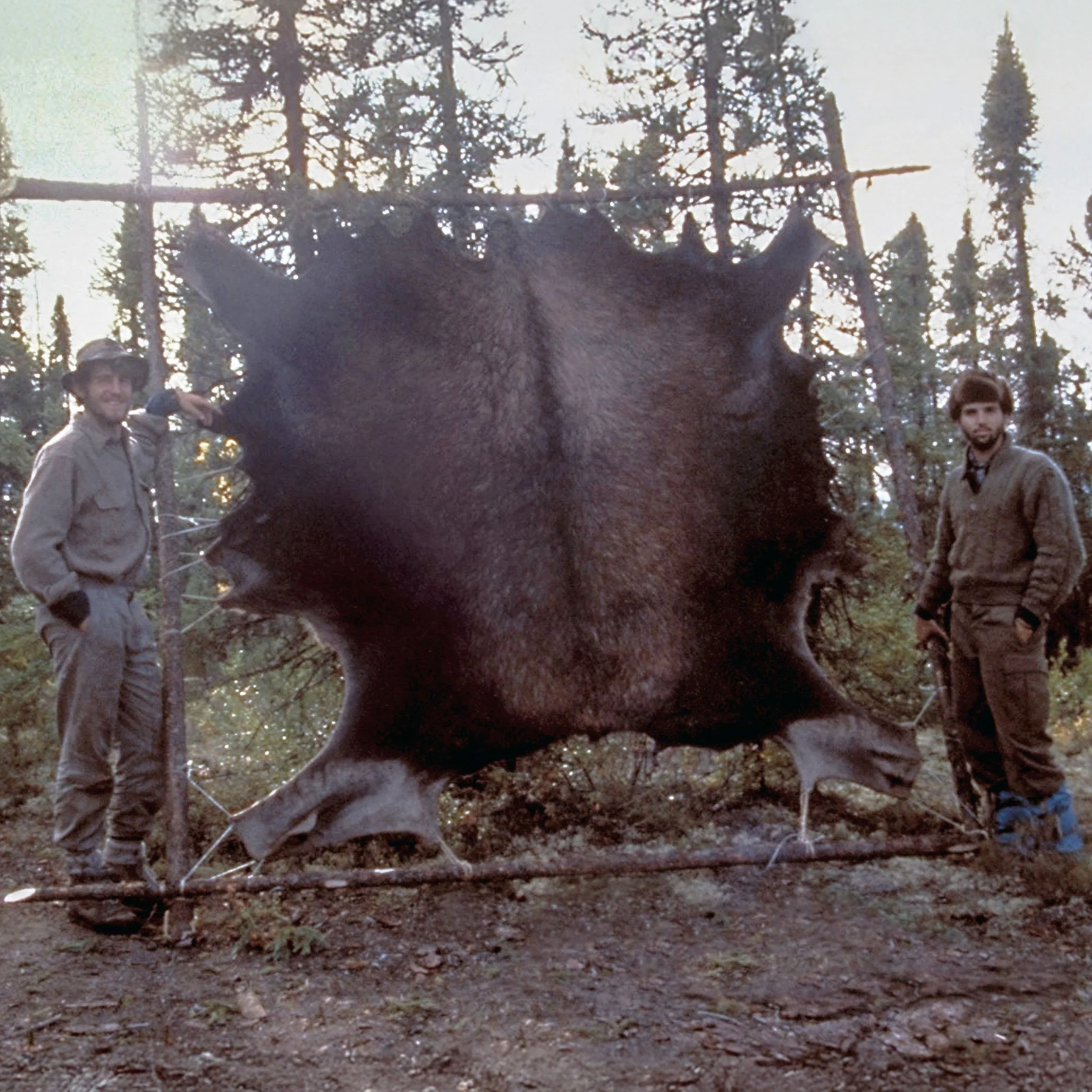
Hide thoroughly scraped, salted and stretched. We still have the hide to this day which weighs around 50 pounds.
-
![]()
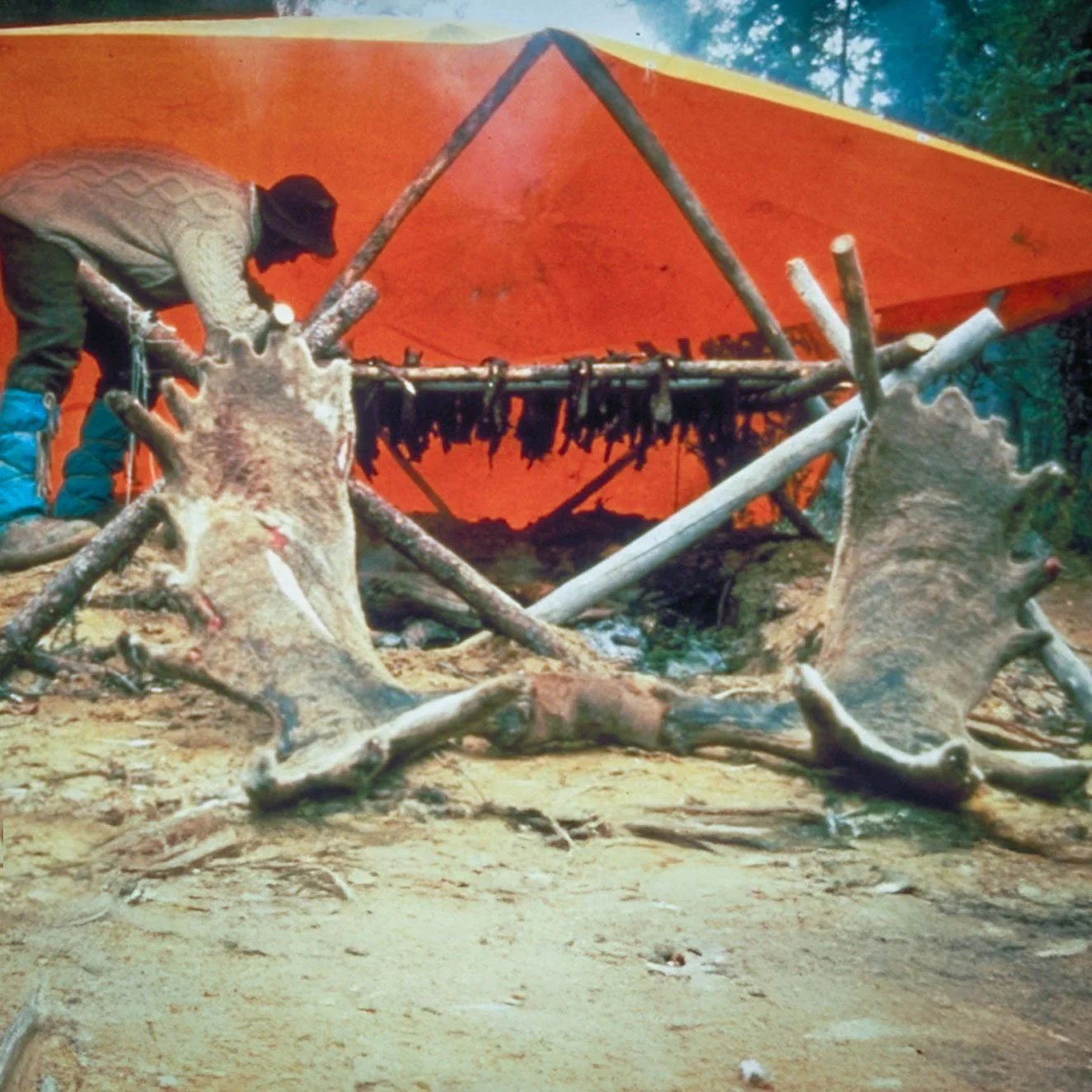
Our smoker
We smoked roughly 150 pounds of meat which provided us with protein packed snacks and meal supplements.
-
![]()
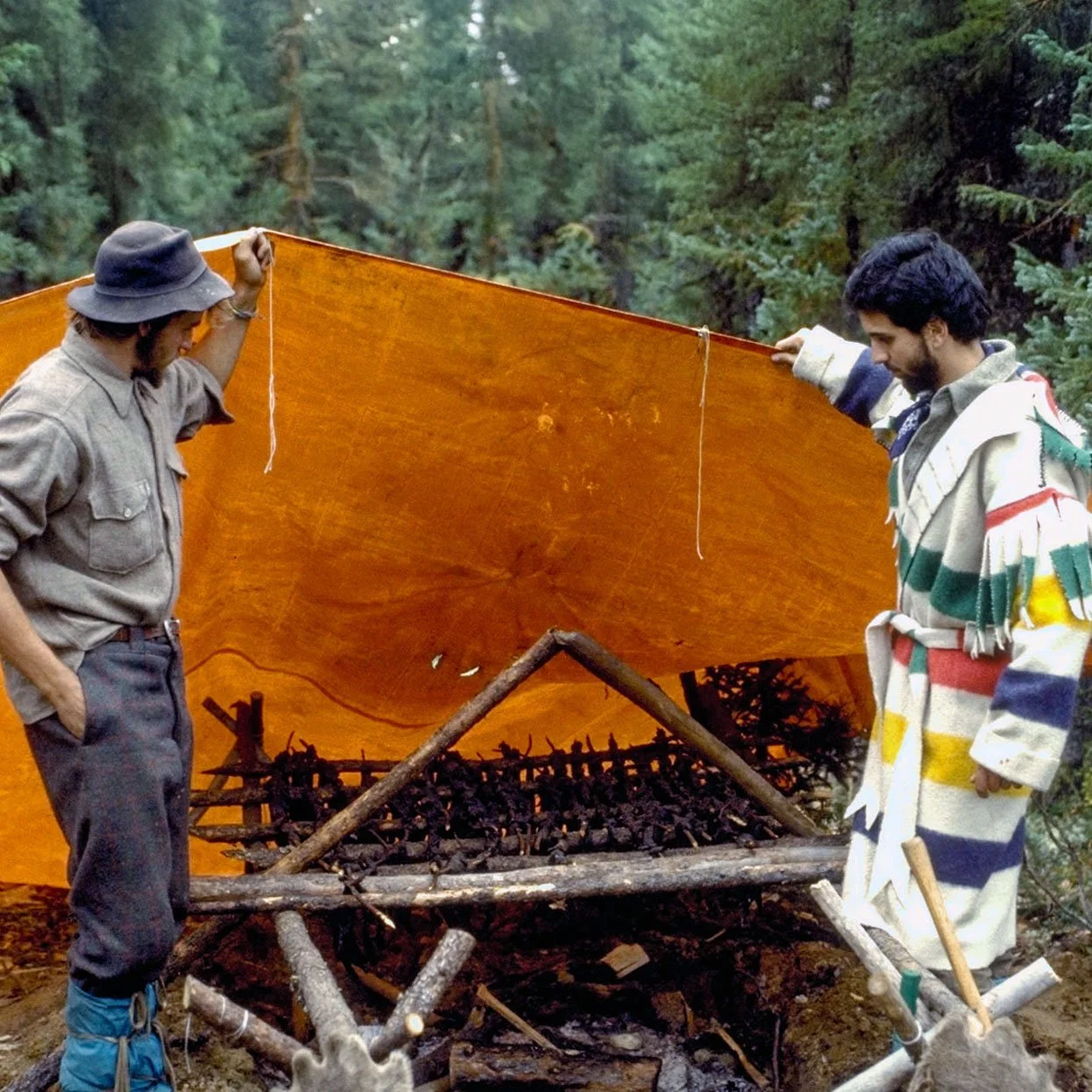
Just about ready to remove
The smoking process took several days and required a constant smokey fire.
-
![]()
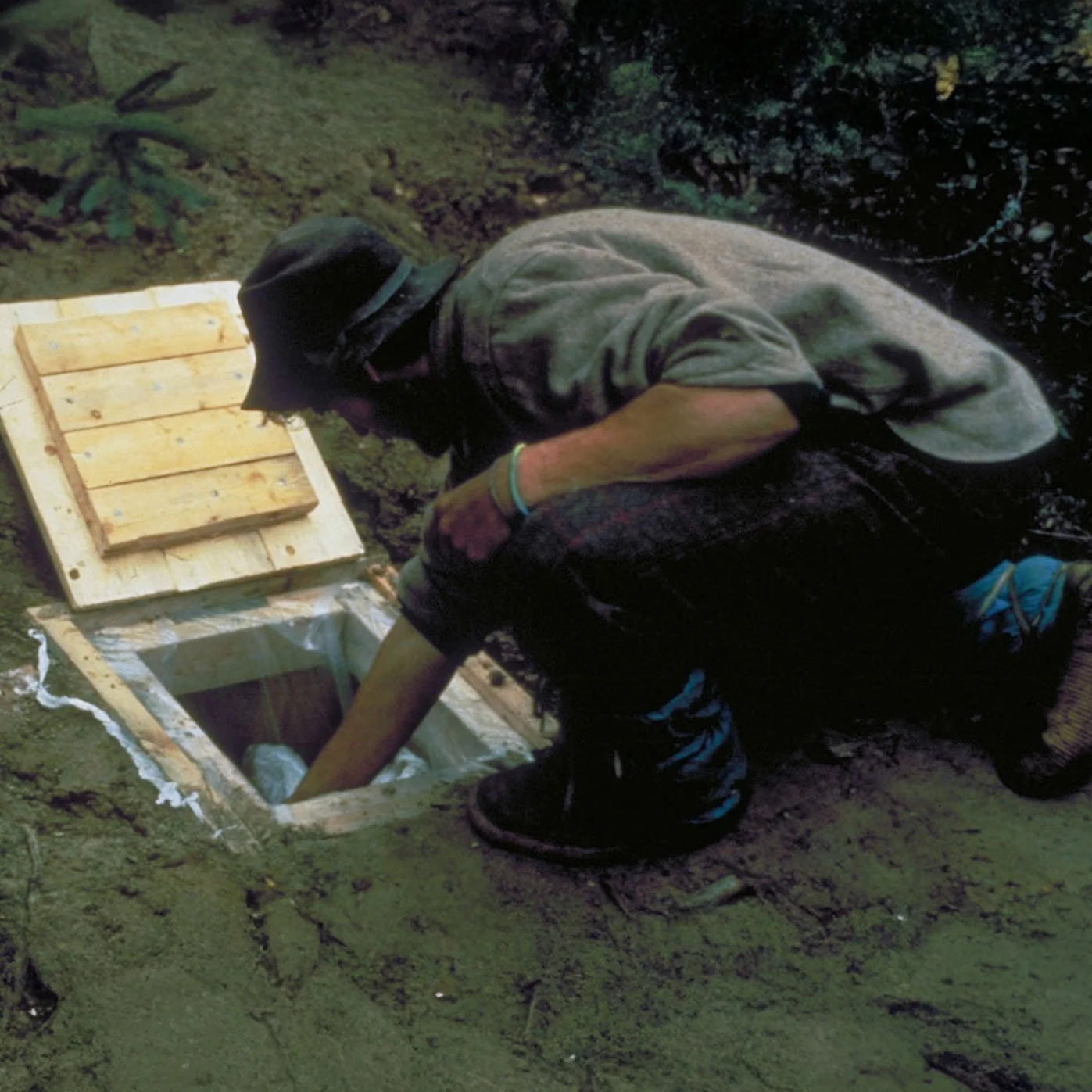
Our Refrigerator
All fresh meat was stored in an insulated box buried in the permafrost.
-
![]()
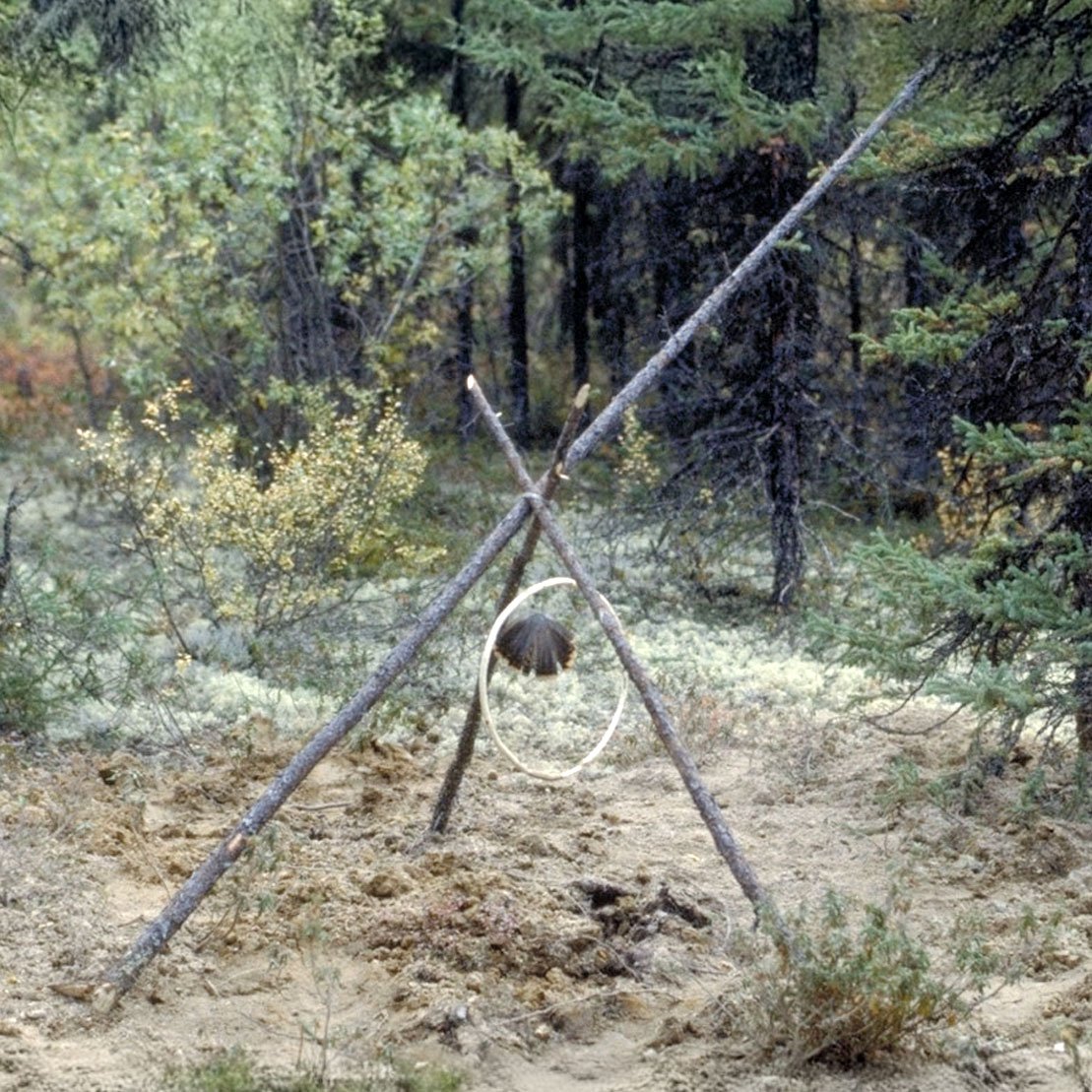
Respect
The head of the moose was buried and we placed a willow hoop over the site out of respect for this great animal.
-
![]()
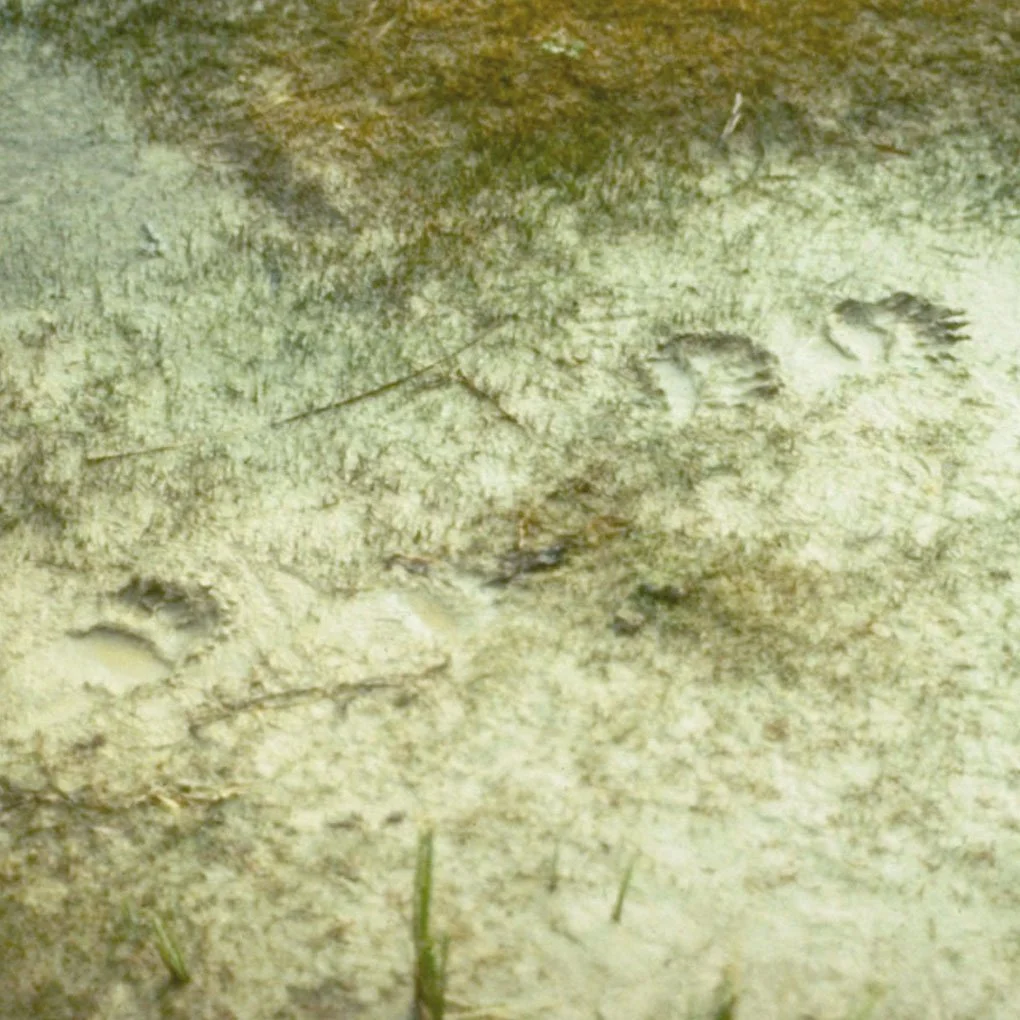
Bears
Of course, bear activity picked up after we shot the moose and extra precaution needed to be taken.
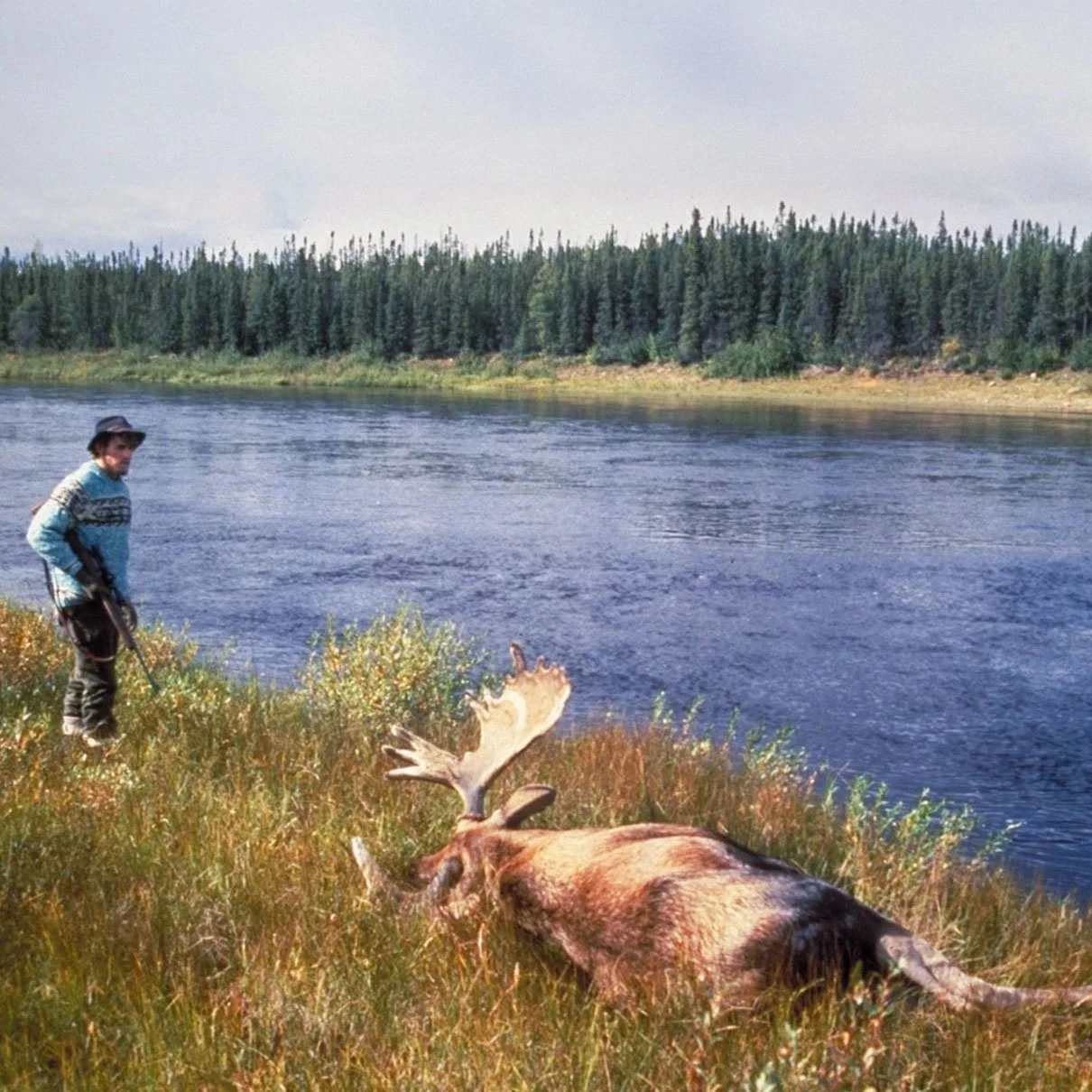
Shooting a moose was a day of celebration. This was not about trophy hunting or killing for the thrill of the hunt, this was a tremendous gift that would provide us with fresh protein through the long winter. (image 1 of 9)
Skinning, quartering and butchering was a massive undertaking. Luckily, the moose fell on the bank of the river just upstream from the cabin allowing us to transport the meat with relative ease. (image 2 of 9)
butchering one of the hind quarters. (image 3 of 9)
Hide thoroughly scraped, salted and stretched. (image 4 of 9)
We smoked roughly 150 pounds of meat which provided us with protein packed snacks and meal supplements. (image 5 of 9)
The smoking process took several days and required a constant smokey fire. (image 6 of 9)
All fresh meat was stored in an insulated box buried in the permafrost. (image 7 of 9)
The head of the moose was buried and we placed a willow hoop over the site out of respect for this great animal. (image 8 of 9)
Of course, bear activity picked up after we shot the moose and extra precaution needed to be taken. (image 9 of 9)