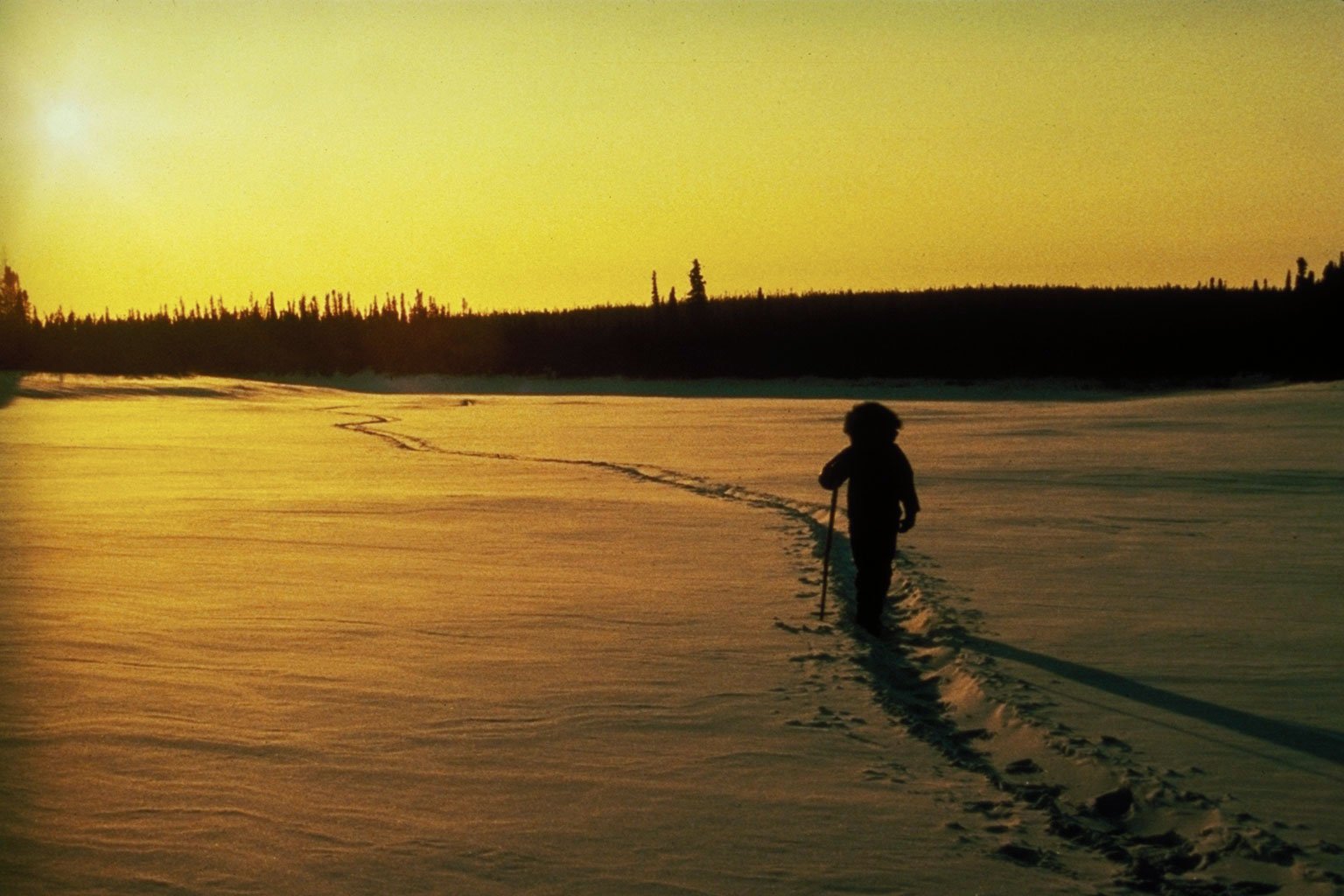
No matter how experienced and well-equipped a person is, mistakes happen. It is often assumed survival situations begin with a bang when they usually begin with a whisper, leaving the victim unaware of any problem until it is too late. Additionally, these problems can compound turning that whisper into a scream once realized. Decisions and actions taken at this point determine whether you live or die
Lost
-
![]()
Day 1
Last minute packing on the day of departure.
-
![]()
de Havilland Otter
Thawing hydraulics and breaks before taking off. We had to wait for it to warm up to -30ºF before our bush pilot (Hap) would fly.
-
![]()
A long, cold flight
Hour and a half flight from Thompson with 1800 pounds of gear in tow.
-
![]()
Nothing but wilderness
The only thing you see for the hour and a half flight - pure wilderness.
-
![]()
10 Minutes
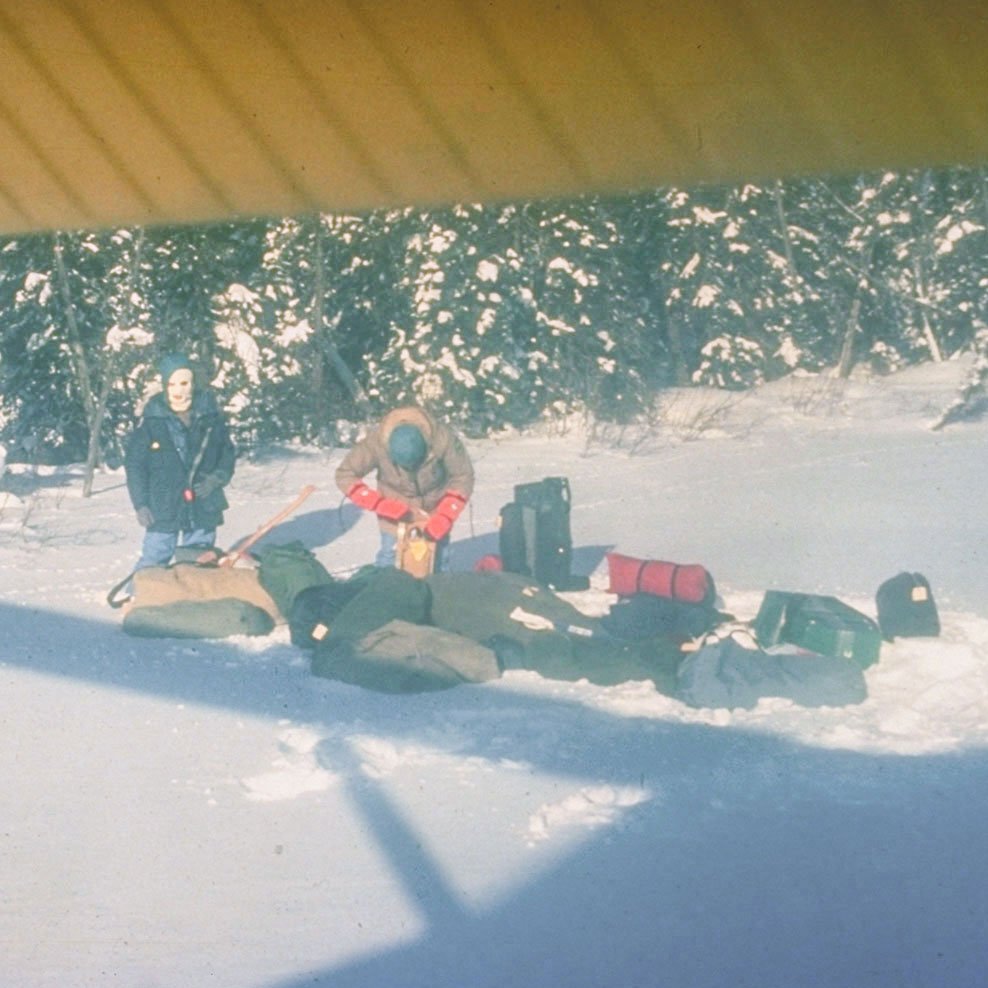
We only had about 10 minutes to unload our gear before the plane started freezing up.
-
![]()
Parting shot
Scott and I surrounded by 1800 pounds of supplies.
-
![]()
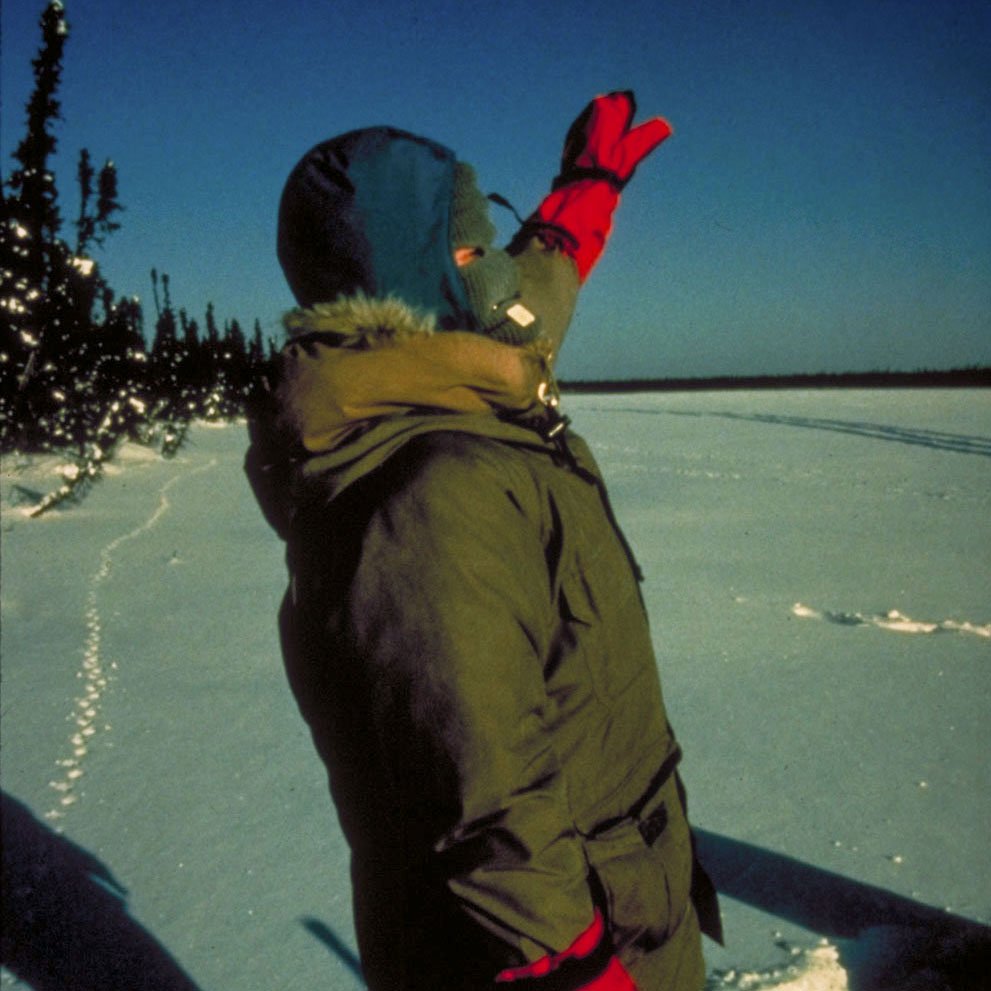
Waving goodbye
Waving goodbye to the last person we would see for the next 4 months.
-
![]()
Alone
A very powerful moment. Watching the plane disappear and realizing we are truly alone. The silence after was oddly deafening to ears so accustomed to sound.
-
![]()
A grueling hike
We anticipated breaking a snowshoe trail would take 4 hours. Four hours later we were only halfway there.
-
![]()
The search begins
Arriving at the river with no cabin in site.
-
![]()
The search continues
Searching for another 2 hours before finally succumbing to the cold, exhaustion, dehydration, and hunger.
-
![]()
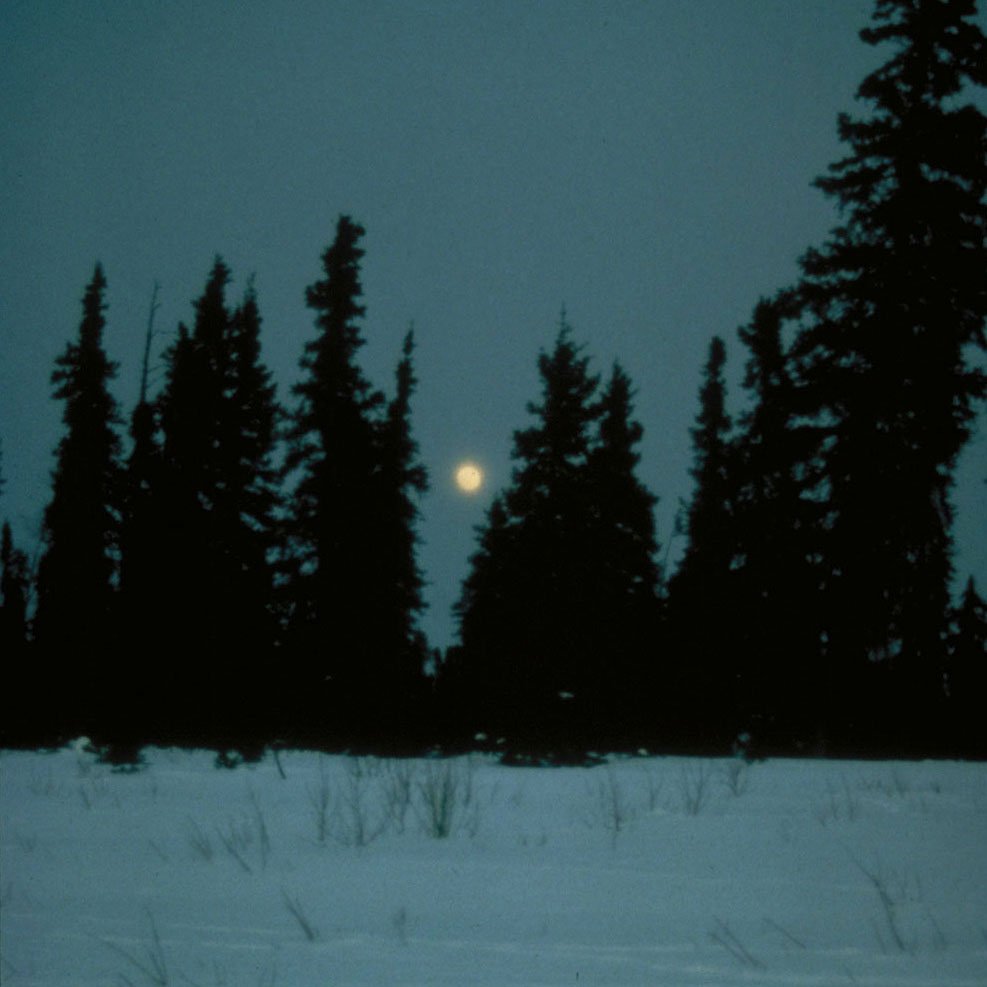
Bivouac at -45ºF.
Surviving our first night in a makeshift bivouac in temperatures exceeding -40ºF. This photo was taken 4 months after that first night.
-
![]()
A welcome sight
Uncertain if we'd survive through that first night, the sunrise was an incredible sight.
-
![]()
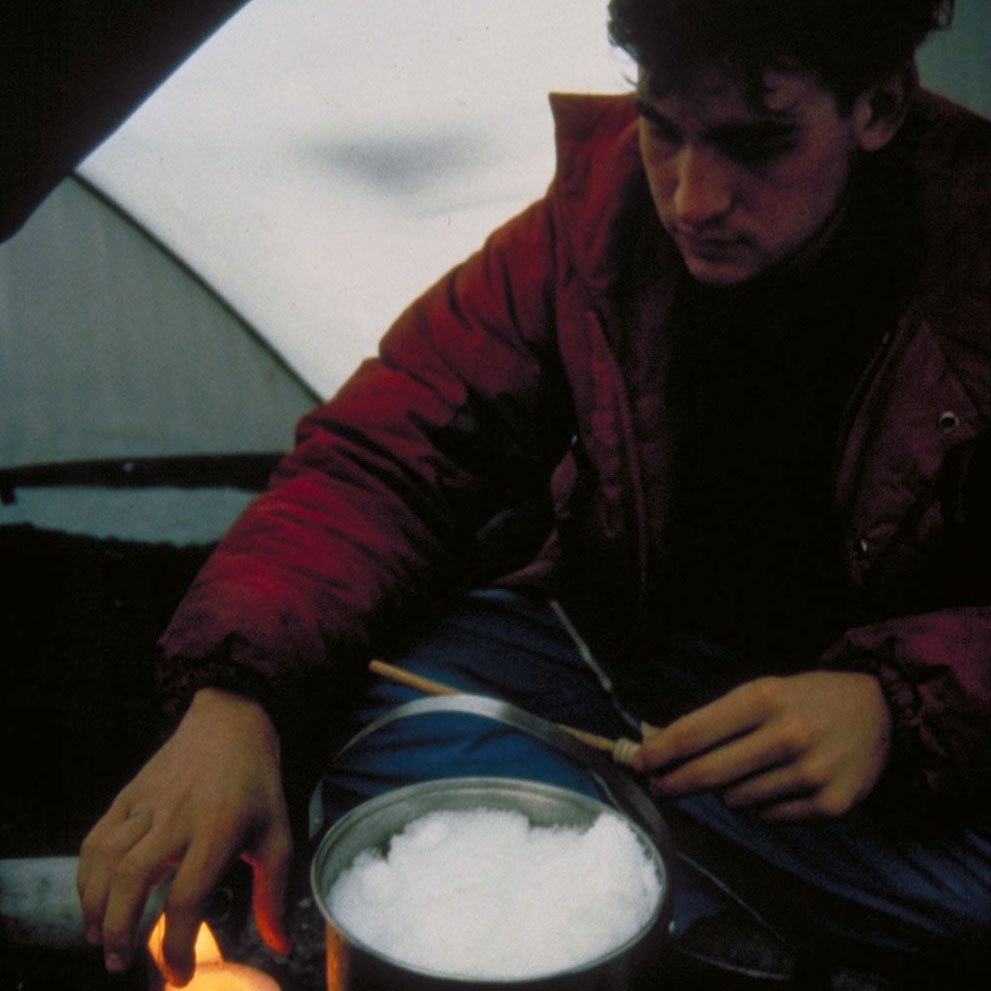
Back to the lake
We hiked back to the lake and all of our gear to regroup. We set up a canvas tent and began melting snow. We were extremely dehydrated at this point.
-
![]()
Tent Fire
A tent fire prevented us from hydrating. Our only source of warmth was our frustration. Our tent was beaten by the wind being so exposed on the frozen lake.
-
![]()
Salvation - sort of
Day 3. Back to the river with a more modern tent. Unfortunately at -30ºF the elastic cords holding the poles together loose their elasticity and we were forced to remove our gloves and cut each shock cord free from the poles.
-
![]()
What could have been
Our view from inside the tent - looking directly at our bivouac which easily could (and probably should) have been our final resting spot.
-
![]()
Warmth and water at last
A Coleman one-burner backpacking stove saved our lives. We finally had heat, food, and water. For the first time we could shed some of our heavy winter gear.
-
![]()
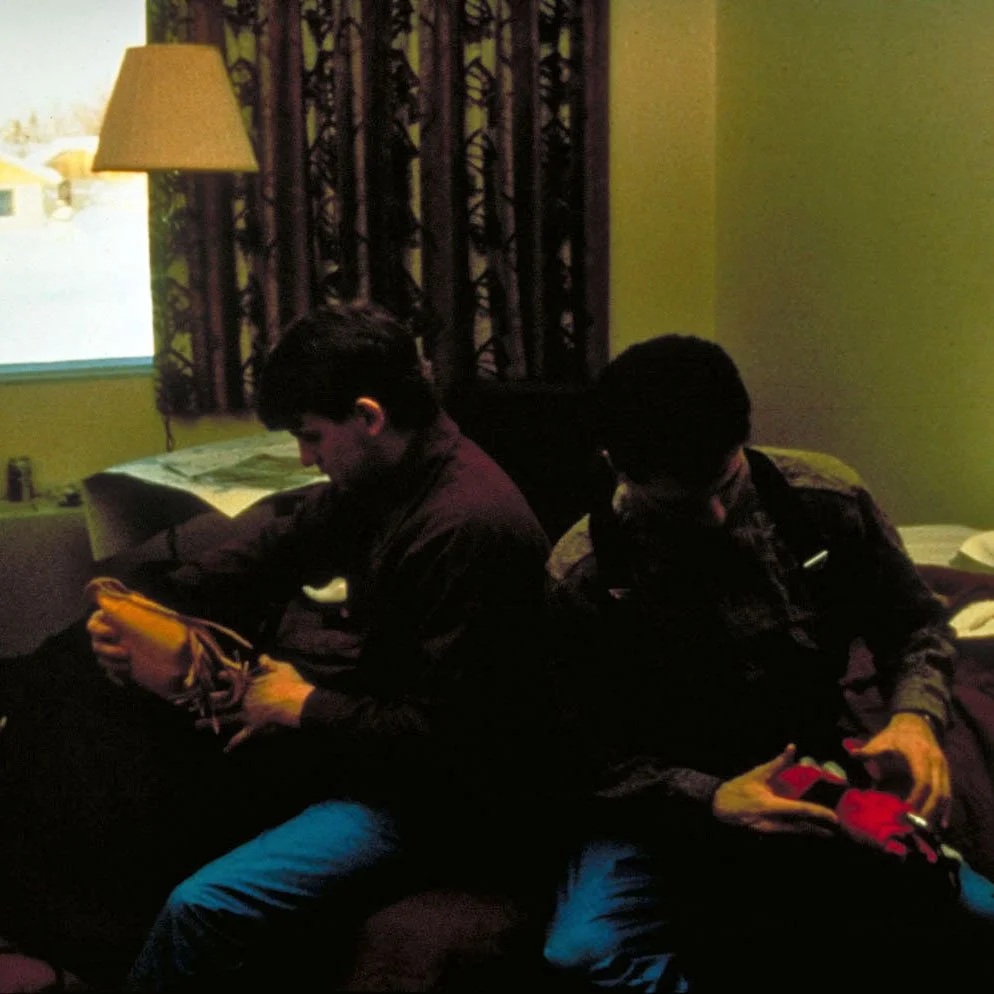
Regrouping
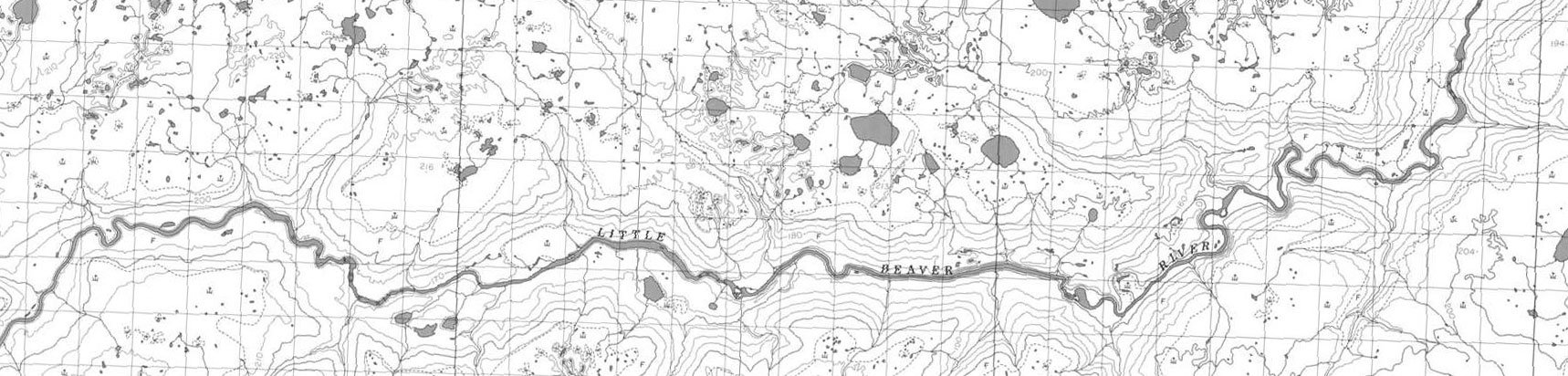
That evening was spent reviewing the maps and trying to determine where we were and where the cabin was located.
-
![]()
Frostbite
Day 4. Waking up in the morning only to discover Scott had frostbite. Now a 2 man team is cut down to 1 as we can't risk refreezing his frozen extremities. I returned to the lake to retrieve more food and medical supplies.
-
![]()
A possible clue
Day 5. I found a stand of huge spruce trees a mile upstream. Despite the risk, I decided to climb and to see if any landmarks were visible. I spotted this tiny lake which no one had ever mentioned. If the lake was on our map, I'd be able to locate our position.
-
![]()
The cabin - at last
Day 6. Sure enough, we located the lake on the map let us know were about a mile upstream from the cabins location. The following morning I found it. After inspecting everything, I took this photo before heading back to our tent camp. Now our adventure could actually begin.

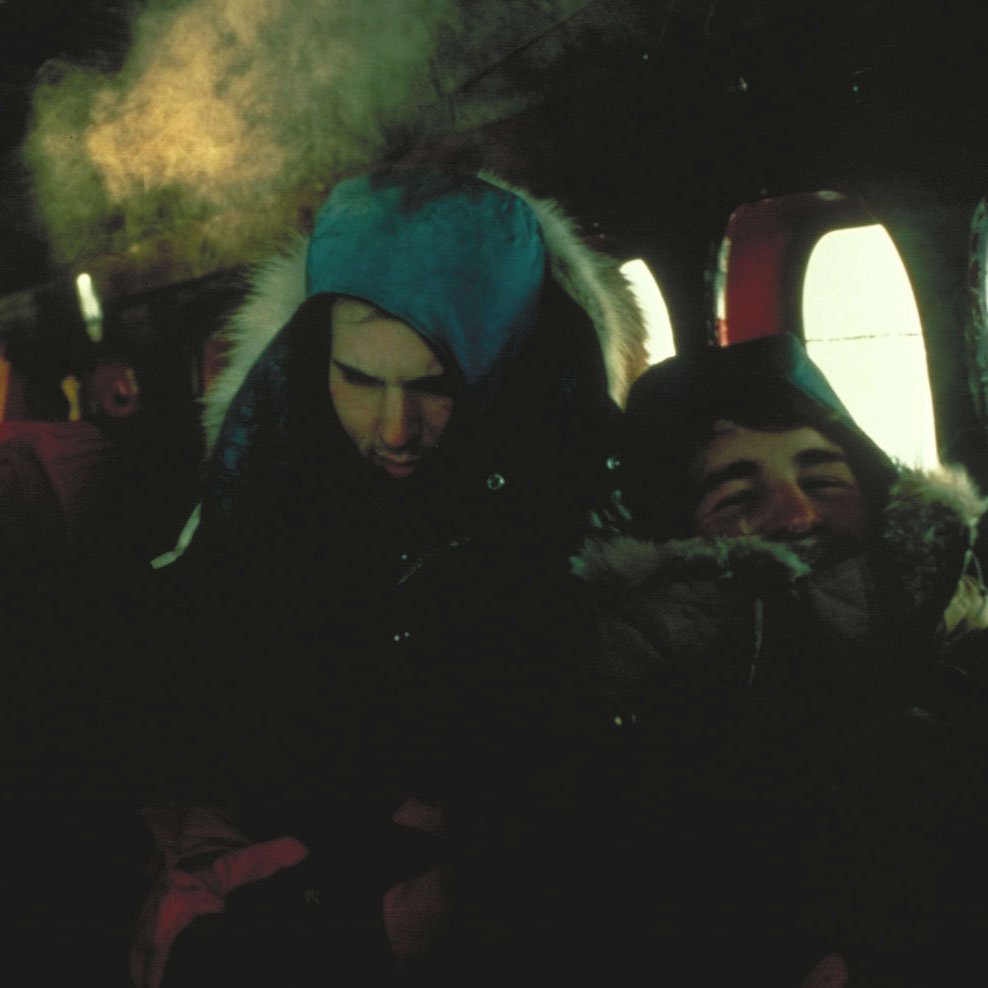








Last minute packing while waiting for a call from the bush pilot. He called earlier that morning telling us we had to wait for it to warm up to -30ºF before he would fly. (image 1 of 22)
Thawing hydraulics and breaks before taking off. (image 2 of 22)
Hour and a half flight from Thompson with 1800 pounds of gear in tow. (image 3 of 22)
The only thing you see for the hour and a half flight - pure wilderness. (image 4 of 22)
15 minutes to unload our gear before the plane started freezing up. (image 5 of 22)
Parting shot of us with our gear. (image 6 of 22)
Waving goodbye to the last person we would see for the next 4 months. (image 7 of 22)
A very powerful moment. Watching the plane disappear and realizing we are truly alone. (image 9 of 22)
A grueling hike through the frozen muskeg. (image 9 of 22)
Arriving at the river with no cabin in site. (image 10 of 22)
Searching for another 2 hours before finally succumbing to the cold, exhaustion, dehydration, and hunger. (image 11 of 22)
Surviving our first night in a makeshift bivouac in temperatures exceeding -40ºF. This photo was taken 4 months after that first night. (image 12 of 22)
Uncertain if we'd survive through that first night, the sunrise was an incredible sight. (image 13 of 22)
Back to the lake and all of our to regroup. We set up a canvas tent and began melting snow. We were extremely dehydrated at this point. (image 14 of 22)
A tent fire prevented us from hydrating. Our only source of warmth was our frustration. Our tent was beaten by the wind being so exposed on the frozen lake. (image 15 of 22)
Day 3. Back to the river with a more modern tent. Unfortunately at -30ºF the elastic cords holding the poles together loose their elasticity and we were forced to remove our gloves and cut each shock cord free from the poles. (image 16 of 22)
Our view from inside the tent - looking directly at our bivouac which easily could (and probably should) have been our final resting spot. (image 17 of 22)
A coleman 1 burner backpacking stove saved our lives. We finally had heat, food, and water. For the first time we could shed some of our heavy winter gear. (image 18 of 22)
That evening was spent reviewing the maps and trying to determine where we were and where the cabin was located. (image 19 of 22)
Day 4. Waking up in the morning only to discover Scott had frostbite. Now a 2 man team is cut down to 1 as we can't risk refreezing his frozen extremities. I returned to the lake to retrieve more food and medical supplies. (image 20 of 22)
Day 5. I found a stand of huge spruce trees a mile upstream. Despite the risk, I decided to climb and to see if any landmarks were visible. I spotted this tiny lake which no one had ever mentioned. If the lake was on our map, I'd be able to locate our position. (image 21 of 22)
Day 6. Sure enough, we located the lake on the map let us know were about a mile upstream from the cabins location. The following morning I found it. After inspecting everything, I took this photo before heading back to our tent camp. Now our adventure could actually begin. (image 22 of 22)